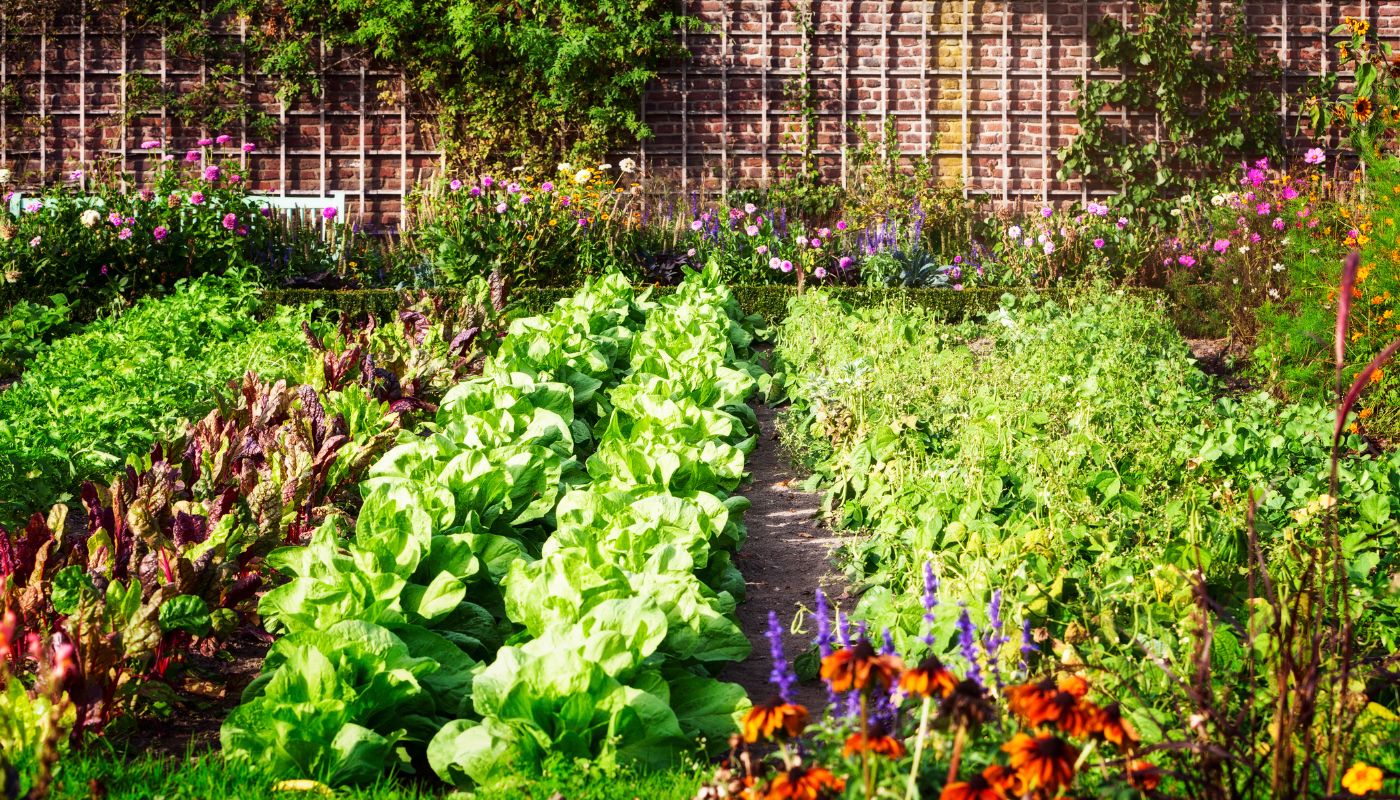
The Sustainable Choice: Why Organic Gardening Benefits You and the Planet
In an increasingly health-conscious and environmentally aware world, the concept of organic gardening has blossomed from a niche practice into a mainstream movement. More than just a method of cultivation, it represents a commitment to personal well-being, ecological stewardship, and a deeper connection to the natural world. At its heart, organic gardening is a philosophy of collaboration, a gentle dance with nature's intricate systems rather than a battle against them. It’s about cultivating vibrant life – fruits, vegetables, herbs, and flowers – without relying on synthetic fertilizers, harmful pesticides, or genetically modified organisms (GMOs). Instead, it champions natural processes and materials to foster robust plant growth and a thriving soil ecosystem. This approach supports a truly sustainable and environmentally friendly way of living, gaining significant traction in households across the globe. Imagine biting into a crisp lettuce leaf or a juicy tomato, knowing it was nurtured by your own hands, free from the residue of harsh chemicals. This isn't just a dream; it's the delicious reality of an organic garden. If you're looking for practical tips on making your garden organic, you've come to the right place. We'll explore the profound benefits this practice offers and guide you through the essential steps to cultivate your very own sustainable oasis.Why Go Organic? The Dual Benefits for You and the Planet
The allure of organic gardening extends far beyond merely growing food; it’s a lifestyle choice that yields impressive returns for both individuals and the environment.- For Your Health and Well-being:
- Reduced Chemical Exposure: Perhaps the most direct benefit is significantly fewer chemical residues on the food you eat. By eliminating synthetic pesticides and herbicides, you protect your family from potentially harmful substances that can linger on conventional produce.
- Nutrient-Rich Produce: Homegrown organic food often tastes better and can be more nutritious. Picked at peak ripeness and consumed shortly after, your produce retains maximum vitamins, minerals, and antioxidants, delivering a powerful health boost straight from your backyard.
- Physical Activity & Mental Clarity: Gardening is a wonderful form of exercise, engaging various muscle groups and encouraging time spent outdoors. The rhythmic nature of planting, weeding, and harvesting can be meditative, reducing stress and improving mental well-being. It’s a tangible way to disconnect from screens and reconnect with the simple joys of creation.
- For a Healthier Planet:
- Pollution Reduction: By saying no to synthetic chemicals, you directly reduce the runoff of these substances into our waterways and soil, protecting local ecosystems from contamination. This also minimizes air pollution associated with the production and application of these chemicals.
- Promoting Biodiversity: An organic garden is a haven for life. It encourages beneficial insects like ladybugs and lacewings, supports vital pollinators such as bees and butterflies, and nurtures a complex web of microbial life in the soil. This rich biodiversity creates a balanced ecosystem that is more resilient to pests and diseases.
- Lowering Your Carbon Footprint: Growing your own food locally dramatically reduces the energy expended on transportation, packaging, and refrigeration associated with commercial produce. Composting kitchen scraps further diverts waste from landfills, reducing methane emissions and creating valuable soil amendments.
- Sustainable Water Management: Healthy, organically enriched soil acts like a sponge, retaining moisture more effectively than depleted soil. This reduces the need for frequent watering, contributing to water conservation efforts.
Laying the Groundwork: Essential First Steps for Your Organic Oasis
Embarking on your organic gardening journey doesn't have to be daunting. With a few foundational steps, you can set your garden up for success. One of the most critical aspects when considering tips on making your garden organic is selecting the right location and preparing your soil.Location, Location, Location: Sun is Key
Just like real estate, the location of your garden is paramount. Before you invest time, energy, and resources, ensure your chosen spot provides optimal conditions for growth. Most vegetables and many herbs are sun-worshippers, demanding a minimum of 6-8 hours of direct sunlight each day for robust growth and plentiful harvests. High-fruiting plants like tomatoes, peppers, and squash often thrive with 8 or more hours of sun. Start by observing your backyard or balcony at different times throughout the day, across several days. Note how the sun moves, where shadows fall from trees, fences, or buildings, and how the light shifts. A south or southwest-facing exposure is often ideal for maximizing sunlight exposure. While most veggies crave full sun, remember that some plants, such as lettuce, spinach, and certain herbs, can tolerate or even appreciate a bit of afternoon shade, especially in hotter climates. Understanding these nuances is crucial for success. For a deeper dive into making the most of your garden's light, check out our guide on Organic Garden Success: Maximizing Sunlight for Healthy Plants. And for comprehensive advice on all initial setup considerations, don't miss Starting Your Organic Garden: Location, Soil, and Sunlight Essentials.Understanding Your Soil: The Foundation of Life
Healthy soil is the bedrock of a thriving organic garden. It’s not just dirt; it’s a living ecosystem teeming with microbes, fungi, and beneficial organisms that work in harmony to nourish your plants. Before you plant a single seed, it's vital to understand what you're working with. A simple soil test kit, available at most garden centers or online, can provide invaluable information. It will help you determine:- pH Levels: The acidity or alkalinity of your soil, which affects nutrient availability. Most vegetables prefer a slightly acidic to neutral pH, ideally between 6.0 and 7.0.
- Nutrient Content: Levels of essential macronutrients like nitrogen (N), phosphorus (P), and potassium (K), as well as micronutrients.
- Drainage Quality: How well your soil drains water. Poor drainage can lead to root rot, while overly sandy soil drains too quickly, leaching nutrients.
Core Principles and Practical Tips for a Thriving Organic Garden
Once your location is chosen and soil assessed, it's time to delve into the everyday practices that define organic gardening. These tips on making your garden organic will empower you to cultivate a vibrant, productive space.Nourishing Soil Naturally: The Power of Compost
Compost is often called "gardener's gold," and for good reason. It’s the cornerstone of organic fertility. Instead of chemical fertilizers that provide a quick, temporary boost and can harm soil life, compost offers a slow-release, balanced meal that builds soil health from the ground up.Practical Tip: Start a compost pile or bin! Collect kitchen scraps (fruit and vegetable peels, coffee grounds, eggshells), yard waste (leaves, grass clippings, small twigs), and shredding paper. Aim for a good mix of "greens" (nitrogen-rich, like kitchen scraps and fresh grass) and "browns" (carbon-rich, like dry leaves and shredded paper). Turn your compost regularly to aerate it and speed up decomposition. The resulting rich, earthy material will transform your garden beds.
Embracing Biodiversity: Nature's Pest Control
Organic gardening works *with* nature, not against it. This means fostering a diverse ecosystem that includes beneficial insects and organisms, rather than relying on broad-spectrum pesticides that kill indiscriminately.- Encourage Beneficial Insects: Plant a variety of flowers alongside your vegetables. Marigolds, calendula, dill, and cosmos attract pollinators and natural predators like ladybugs, lacewings, and parasitic wasps, which feast on common garden pests.
- Companion Planting: Certain plants grow better together, offering mutual benefits such as pest deterrence or improved growth. For example, planting marigolds near tomatoes can deter nematodes, while basil is said to improve tomato flavor and repel flies.
- Crop Rotation: Avoid planting the same crops in the same spot year after year. Rotating crops helps break pest and disease cycles and prevents specific nutrients from being depleted from one area of the soil.
- Physical Barriers: Use row covers, netting, or hand-picking for larger pests to protect vulnerable plants without chemicals.
Mindful Watering and Garden Design
Efficient watering practices conserve resources and promote stronger plants. A well-designed garden also makes maintenance easier and more enjoyable.- Water Smart: Water deeply and less frequently to encourage roots to grow deeper. Water in the early morning to minimize evaporation and allow foliage to dry before nightfall, reducing fungal disease risk. Consider drip irrigation or soaker hoses for targeted, efficient watering.
- Thoughtful Layout: Design your garden layout to fit your space and needs. Consider raised beds for better drainage and accessibility, containers for small spaces, or traditional in-ground rows. Group plants by their sunlight and water requirements for easier care.
- Paths and Space: Create wide walking paths so you can tend your garden without stepping on plants. Ensure there’s dedicated space for tool storage near your garden and a convenient spot for your composting efforts.
Choosing the Right Seeds and Plants
The journey to an organic garden begins even before planting.Practical Tip: Opt for organic, non-GMO (genetically modified organism) seeds or seedlings. Look for heirloom varieties, which offer incredible genetic diversity, unique flavors, and often have a proven history of adapting well to local conditions. Starting with strong, healthy, and organically grown plants gives them the best chance to thrive without chemical intervention.
